

When to Use Short Load Concrete for Efficient, Low-Volume Pours
Embarking on minor construction tasks presents unique logistical hurdles. Pouring cement mixtures for restricted scopes necessitates meticulous planning. Massive transit vehicles overwhelm narrow driveways with immense weight. Small-scale manual mixing demands intense physical labor. Site coordinators need sensible alternatives for restricted scopes. Balancing efficiency with volume requirements remains paramount for structural success. Exploring diverse material transport methods reveals optimal strategies.
Small batch deliveries provide an elegant solution for logistical constraints. Contractors avoid the financial waste associated with gigantic transit drums. Homeowners save physical energy by outsourcing the mixing phase. Exploring ideal scenarios for utilizing concrete delivery services helps project planners optimize site operations. This transportation method bridges the gap between massive fleet operations and exhausting wheelbarrow labor. Builders achieve commercial-grade results regardless of project footprint.
Opting for Short Loads During Residential Patio Additions
Enhancing a backyard with a fresh patio surface requires careful material planning. Massive industrial trucks risk damaging delicate residential landscaping upon approach. Heavy commercial vehicles crack existing driveways beneath immense wheel weight. Compact dispatch vehicles navigate tight suburban curves with grace. Property owners appreciate minimal disruption to existing lawns. The smaller vehicular footprint preserves surrounding property aesthetics while delivering necessary building materials.
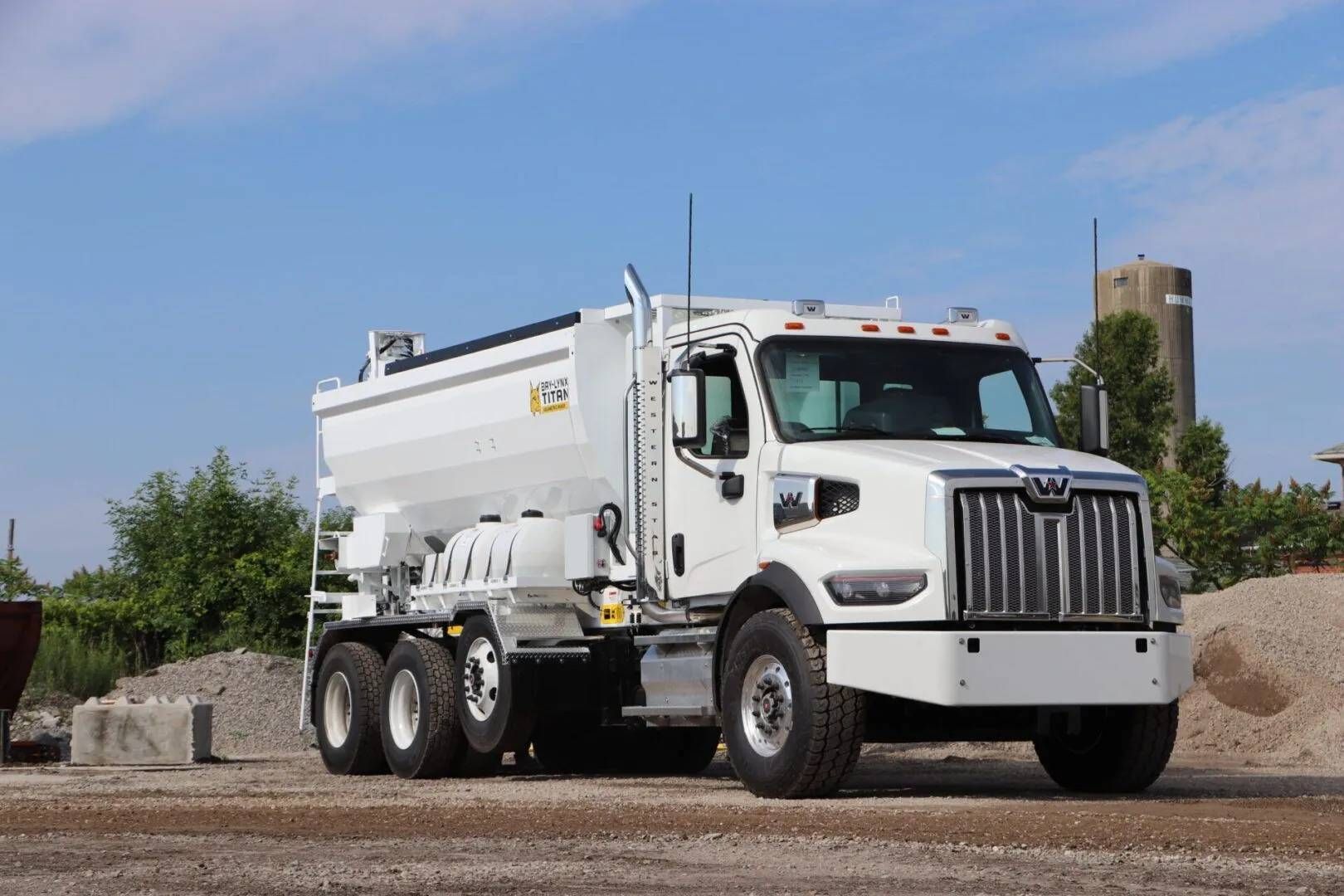
Quality control remains paramount during backyard hardscaping renovations. Manual wheelbarrow mixing yields inconsistent moisture levels across separate batches. Uneven curing leads to premature cracking throughout the outdoor living space. Professional compact vehicles maintain constant drum agitation during the transport phase. This continuous motion guarantees uniform hydration throughout the mixture. The resulting slab cures at an even rate to form a durable surface.
Cost efficiency drives major decision-making on residential property upgrades. Paying minimum load penalties for oversized transit mixers destroys modest material budgets. Buying dry bags becomes expensive and labor-intensive for the masonry crew. Utilizing specialized concrete delivery services prevents budget overruns on small-scale patio extensions. Builders purchase the exact material needed to finish the designated footprint. Prudent material procurement keeps backyard renovations viable.
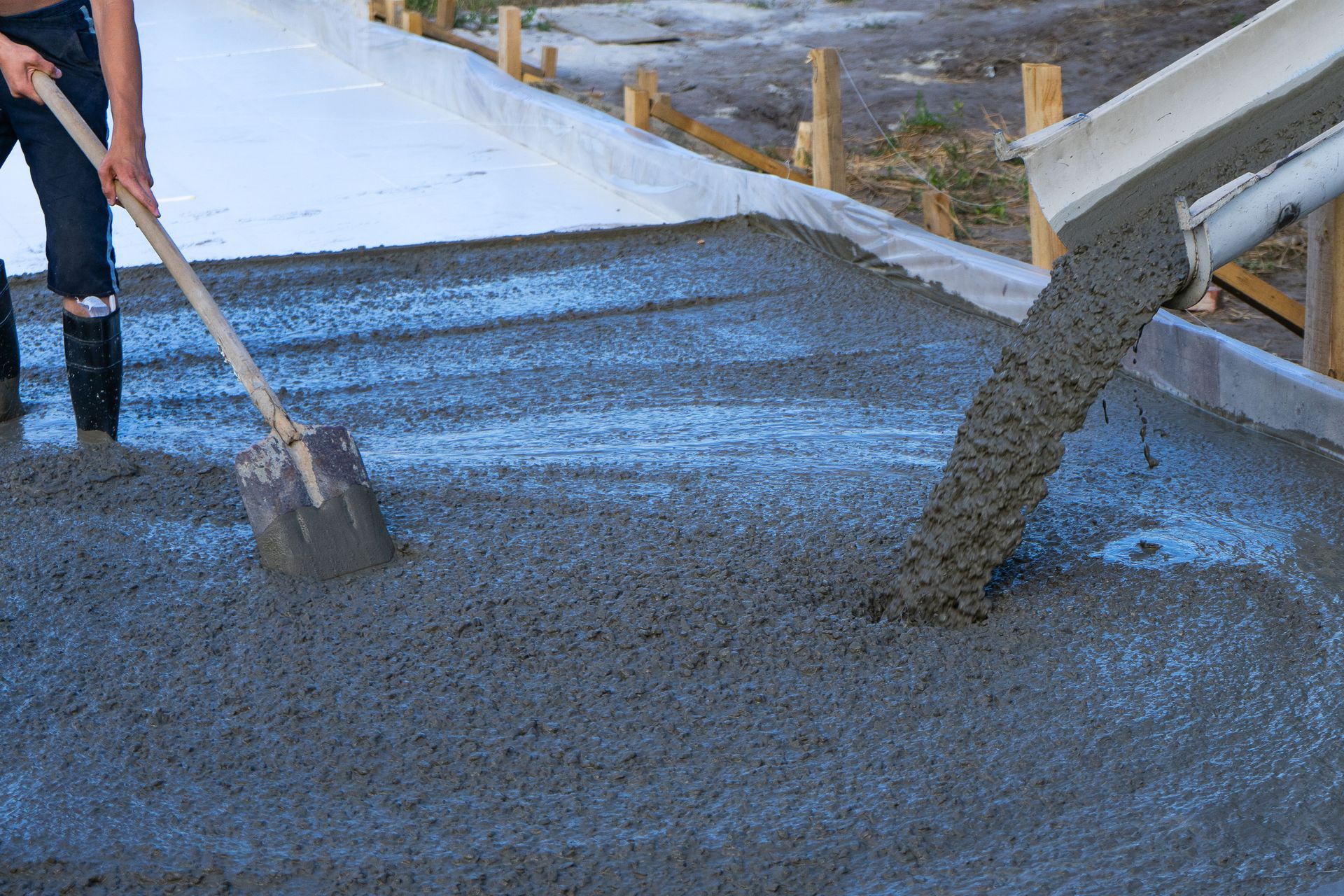
Timeline management benefits from precise material arrival scheduling. Crews prepare wooden forms and steel rebar without feeling rushed. Compact mixer vehicles deposit the wet mixture into the designated forms. Workers screed and finish the surface without fighting rapid setting times. This controlled pace ensures a professional finish on the final patio surface. The construction phase proceeds at a manageable rhythm.
Selecting Short Loads for Sidewalk Repair Projects
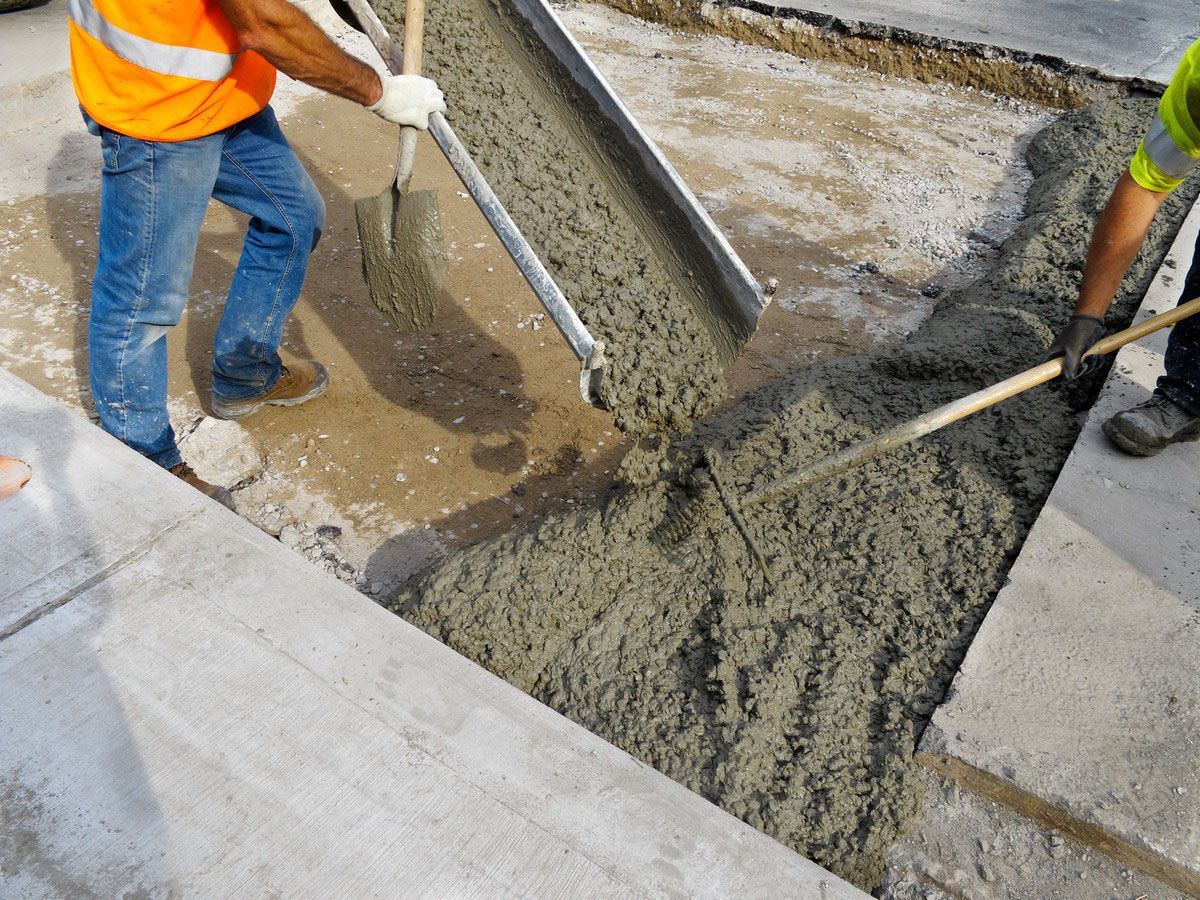
Urban environments pose immense challenges for ongoing infrastructure maintenance. Repairing municipal walkways involves navigating narrow streets and dense pedestrian traffic. Transit drums block active traffic lanes during the pour process. Compact dispatch trucks occupy less space alongside busy city curbs. City planners prefer minimal traffic flow interruptions during municipal upkeep. The compact nature of these delivery vehicles minimizes the municipal footprint of the repair operation.
Volume accuracy dictates the success of filling localized walkway damages. Estimating the exact volume for shattered pavement segments proves challenging for foremen. Overestimating causes disposal problems in dense urban centers. According to Fixr, most short load deliveries contain between one and five cubic yards of concrete. This precise range accommodates minor sidewalk patching requirements without generating surplus material. Material precision prevents messy overflow.
Material consistency determines the longevity of repaired municipal pavement. Pedestrian pathways endure constant foot traffic and intense weather exposure. Weak mortar mixtures crumble under constant use and seasonal freeze cycles. Reputable concrete delivery services provide commercial-grade strength for municipal pathways. Structural integrity matches surrounding undamaged pavement sections. High-quality aggregates ensure the new walkway segments resist surface flaking and deep structural cracking.
Pace defines the success of public thoroughfare restorations. Leaving open trenches poses trip hazards for neighborhood pedestrians. Workers must pour, level, and cure the material without delay. Small transit vehicles dispense the wet mixture with pinpoint accuracy. Crews finish the surface smoothing without interruptions, reopening the pathway for community access. Efficient pouring operations restore the urban landscape with minimal neighborhood inconvenience.
Choosing Short Loads Amidst Foundation Footing Installations
Constructing accessory dwelling units involves laying precise foundation footings. These narrow ground trenches demand exact material placement. Giant chute systems struggle to direct the flow into narrow underground channels. Small batch vehicles feature maneuverable chutes for pinpoint accuracy. Laborers avoid spilling material outside the designated trench boundaries. Precision dispensing prevents messy cleanup tasks around the perimeter of the new structure.
Structural stability depends on continuous pouring sessions. Cold joints form when separate batches cure at different rates. Manual transport risks creating these weak points in the building foundation. Continuous dispensing eliminates the risk of structural weak zones. The footing hardens as a unified solid mass. A seamless foundation base provides reliable support for subsequent framing stages.
Site accessibility dictates equipment choices during foundation construction. Backyard expansions lack clear paths for heavy machinery. Oversized trucks get stuck in soft soil or muddy terrain. Agile transit vehicles traverse difficult terrain without sinking into the mud. Construction teams avoid expensive towing fees by selecting appropriate vehicle sizes. The agile nature of compact trucks solves complex site access dilemmas.
Resource allocation improves with tailored material procurement strategies. Foremen assign crew members to finishing tasks instead of mixing duties. Human fatigue decreases when machines handle the heavy lifting. Employing local concrete delivery services streamlines workflow on the construction site. The team focuses on structural integrity rather than raw material preparation. Efficient labor distribution accelerates the timeline for the entire construction project.
Utilizing Short Loads Across Retaining Wall Constructions
Landscape grading necessitates sturdy retaining walls for soil management. Pouring the block core requires material with specific slump characteristics. High-volume transit companies prioritize standard mixes over custom masonry requirements. Dispatchers adjust the mixture to meet precise engineering specifications. The resulting barrier resists lateral soil pressure with immense strength. Tailored batching prevents catastrophic wall failures on sloping residential properties.
Vertical structures present unique pouring dynamics for masonry crews. Material must flow down into narrow block cavities without forming voids. Air pockets compromise the strength of the retaining barrier. Specialized operators control the flow rate to prevent internal blockages. The steady stream fills every corner of the formwork or cinder block core. A dense core transforms decorative blocks into a formidable structural barrier.
Phased construction schedules demand flexible supply chains for raw materials. Builders construct retaining barriers in distinct horizontal stages. Each stage requires a modest volume of binding material. Coordinating with concrete delivery services aligns material arrival with project phases. Work progresses without overwhelming the forms with excessive hydrostatic pressure. Scheduled batch arrivals keep the masonry team working at a steady, productive pace.
Environmental impact considerations influence modern masonry practices. Wasting surplus building materials harms the local ecosystem. Dump sites charge premium fees for disposing of excess hardened rubble. Precise volume ordering minimizes waste generation on the job site. Sustainable building practices rely on exact material calculations from the project foreman. Eco-conscious builders appreciate the precision of modest batch dispatching.
Tailoring material supply to the project scope ensures operational success. Massive transit mixers serve a purpose for massive highway developments. Minor residential upgrades require a nuanced approach to material management. The logistics of small batch dispatch vehicles resolve common site constraints. Builders and property owners alike benefit from this precise supply model. The industry continues adapting to serve modest builds with commercial-grade efficiency.
Embracing scaled solutions elevates the quality of minor hardscaping endeavors. Projects progress without budget-destroying minimum load penalties or manual labor exhaustion. Strategic planners analyze site access, required volume, and schedule constraints before ordering. Utilizing professional concrete delivery services transforms chaotic building sites into organized work zones. Reliable logistics ensure lasting durability for patios, walkways, foundations, and retaining walls. Precise material delivery remains the cornerstone of successful small-scale construction. When you are ready to tackle your next small-scale pour, reach out to us at Cascade Mobile Mix Concrete for a seamless experience. We tailor our concrete delivery services to match your exact project volume, saving you time and eliminating material waste.
Share On: